Driving in the Azores: Tips, Roads & Island Guides
Practical tips for driving in the Azores — road conditions, inter-island travel and what to watch out for.
Driving in the Azores: Essential Tips and Island Road Guides
Embarking on a road trip through the Azores archipelago promises an unforgettable adventure, offering unparalleled freedom to explore its breathtaking landscapes at your own pace. While the islands share a common charm, each possesses a unique character, from the volcanic wonders of São Miguel to the lush greenery of Flores. Driving here, however, presents a distinct experience compared to mainland Portugal, characterized by winding coastal roads, dramatic elevation changes, and sometimes unpredictable weather. This guide is designed to equip you with all the essential knowledge for navigating the Azorean roads safely and enjoyably, ensuring your journey through these Atlantic gems is as smooth as the panoramic views are stunning. We'll delve into everything from general road conditions and speed limits to specific routes on São Miguel, parking advice in Ponta Delgada, and crucial tips for exploring the smaller islands. Prepare to discover the hidden corners and iconic vistas that make the Azores a driver's paradise, provided you're well-prepared for its unique challenges.
Understanding Azorean Road Conditions and General Driving Tips
Driving in the Azores is an experience unlike any other, primarily due to the islands' volcanic origins and dramatic topography. The roads, while generally well-maintained, can be narrow, winding, and steep, especially in rural areas and along coastal cliffs. It's not uncommon to encounter sharp turns with limited visibility, so defensive driving is paramount. Speed limits are typically lower than on the mainland, often ranging from 50 km/h in urban areas to 90 km/h on main inter-village roads. Always pay close attention to road signs, as conditions can change rapidly. Fog and heavy rain are frequent, particularly in higher elevations, reducing visibility significantly. Always drive with your headlights on in adverse weather conditions. Wildlife, such as cows and other farm animals, can occasionally be found on or near rural roads, so remain vigilant. Fuel stations are available, but it's wise to keep your tank topped up, especially when venturing into more remote parts of the islands. Consider renting a car that is compact and easy to maneuver, as this will greatly enhance your driving experience on the often-tight Azorean roads. For reliable car rental options, you can check out GooRentalCars.
Driving in São Miguel: Iconic Routes and Scenic Drives
São Miguel, the largest island, offers a plethora of stunning driving routes that showcase its diverse beauty. A rental car is almost essential to fully appreciate its wonders. If you're looking for a great deal on a rental, consider visiting GooRentalCars for options across Portugal, including the Azores.
The Sete Cidades Crater Road
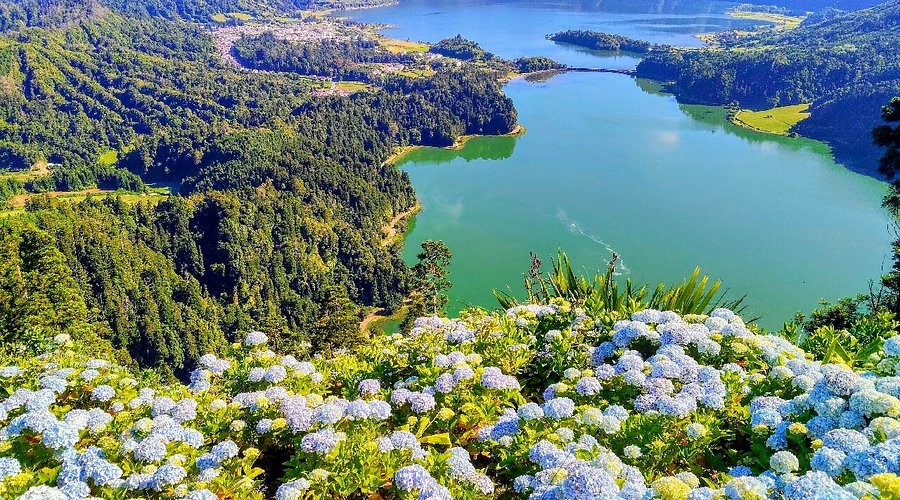
One of the most famous drives is around the Sete Cidades caldera. Starting from Ponta Delgada, head west towards the iconic twin lakes. The road circling the crater rim offers breathtaking panoramic views, with several viewpoints (miradouros) where you can pull over safely. Be prepared for narrow sections and occasional fog, which can dramatically alter the scenery. The descent into the village of Sete Cidades is equally picturesque, allowing you to explore the lake shores up close. This route is a must-do for any visitor.
The Furnas Valley Route
Another essential drive takes you to the Furnas Valley, known for its volcanic activity, hot springs, and lush botanical gardens. The journey typically involves driving east from Ponta Delgada, passing through charming villages. Once in Furnas, you can explore the fumaroles, taste "cozido das Furnas" (a stew cooked underground by volcanic heat), and relax in thermal pools. The roads leading to and within Furnas are generally good, but some smaller paths around the lake can be winding. Don't miss the opportunity to drive around Lagoa das Furnas for different perspectives of this unique landscape.
The Nordeste Coastal Road
For those seeking dramatic coastal scenery and a quieter side of São Miguel, the Nordeste coastal road is highly recommended. This route, stretching along the northeastern part of the island, is characterized by verdant cliffs, cascading waterfalls, and numerous meticulously maintained viewpoints. The roads here are generally wider than those around Sete Cidades, but still feature plenty of curves and elevation changes. It's a slower drive, perfect for soaking in the natural beauty and stopping frequently to admire the views. The town of Nordeste itself is charming, with its iconic lighthouse and well-kept gardens.
Parking in Ponta Delgada
Ponta Delgada, the capital of São Miguel, is the largest city in the Azores and, consequently, where parking can be most challenging. While street parking is available, it's often limited and subject to time restrictions or paid meters. Your best bet for hassle-free parking is to utilize one of the city's underground parking garages. These are clearly signposted and offer secure, convenient access to the city center. Popular options include the Parque de Estacionamento do Campo de São Francisco, located near the city gates, and the Parque de Estacionamento do Antero de Quental. Prices are reasonable, and it saves you the stress of searching for a spot on the street. If you're staying at a hotel in Ponta Delgada, inquire about their parking facilities, as many offer private parking for guests. Always check for signs indicating parking rules, especially in residential areas, to avoid fines.
Driving on Other Azorean Islands: Terceira, Faial, and Pico
While São Miguel often takes the spotlight, driving on the other Azorean islands offers equally rewarding experiences, each with its own distinct character and driving nuances. Renting a car is highly recommended on most islands to fully explore their unique attractions.
Terceira Island
Terceira, known for its vibrant culture and UNESCO World Heritage city of Angra do Heroísmo, has a well-developed road network. The main roads are generally wider and less challenging than some of São Miguel's more remote paths. However, venturing into the interior, especially towards the volcanic caves like Algar do Carvão, can involve narrower, winding roads. Angra do Heroísmo itself has limited street parking, so utilizing parking garages or designated lots on the outskirts is advisable when exploring the city center on foot.
Faial Island
Faial, famous for its marina in Horta and the dramatic Capelinhos volcano, offers a more relaxed driving experience. The island is smaller, and its road network is easy to navigate. The drive to Capelinhos, passing through lunar-like landscapes, is particularly striking. Roads are generally in good condition, but be mindful of occasional steep inclines and descents, especially when exploring the caldera or coastal areas. Horta, while smaller than Ponta Delgada, can still have busy parking areas near the marina, so plan accordingly.
Pico Island
Pico, dominated by Portugal's highest mountain, Mount Pico, is characterized by its unique volcanic vineyards and rugged coastline. Driving here offers incredible views of the mountain and the sea. The main roads circling the island are generally good, but some of the roads leading to specific vineyard areas or natural pools can be narrow and unpaved. A 4x4 vehicle might be beneficial if you plan extensive off-road exploration, though a standard car is sufficient for most tourist routes. Be prepared for sudden weather changes, especially when driving at higher altitudes or near the mountain.
What Makes Island Driving Different from Mainland Portugal?
Driving in the Azores presents several key differences compared to the mainland, primarily stemming from the islands' unique geography and scale. Firstly, the road infrastructure is generally smaller in scope. While mainland Portugal boasts extensive motorways (autoestradas) connecting major cities, the Azores feature a network of regional roads (estradas regionais) and municipal roads (estradas municipais). These are often single-lane in each direction, with fewer overtaking opportunities and more frequent sharp bends. The concept of a "fast lane" is virtually non-existent outside of short stretches near larger towns.
Secondly, topography plays a significant role. The volcanic nature of the islands means roads frequently ascend and descend steep inclines, often with dramatic coastal drops. This requires more attentive driving, careful gear selection, and a greater awareness of braking distances. Mainland driving, while also featuring hilly regions, generally offers more expansive, flatter terrain for longer stretches.
Thirdly, weather conditions are more localized and unpredictable in the Azores. It's common to experience all four seasons in a single day, with sudden shifts from sunshine to dense fog or heavy rain, especially in higher elevations. This demands constant vigilance and adaptability from drivers. On the mainland, while weather can vary, it tends to be more stable over larger areas.
Finally, the pace of life is generally slower on the islands. This translates to a more relaxed driving culture, though tourists should still be prepared for local drivers who are very familiar with the roads. The presence of farm animals on rural roads is also more common in the Azores. Overall, driving in the Azores is about embracing the journey, enjoying the scenery, and adapting to a more intimate, winding, and often breathtaking road experience.
Renting a Car in the Azores: Your Gateway to Exploration
Renting a car is undoubtedly the best way to experience the full splendor of the Azores. Public transport options are limited, especially for reaching many of the most beautiful natural attractions. When choosing a rental company, look for one with a good reputation, comprehensive insurance options, and clear policies regarding fuel, mileage, and additional drivers. Booking in advance, especially during peak season (June to September), is highly recommended to secure your preferred vehicle type and potentially better rates. Most major rental companies operate at the main airports in Ponta Delgada (São Miguel), Lajes (Terceira), and Horta (Faial). Ensure you have a valid driving license, and if you're from outside the EU, an International Driving Permit is often advised, though not always strictly required for short visits. Inspect the car thoroughly before driving off, noting any existing damage. Understanding the terms and conditions of your rental agreement will prevent any surprises. For a seamless experience, consider reputable providers like those found via GooRentalCars, which offers a wide selection of vehicles to suit your Azorean adventure.
Related Articles
FAQ: Driving in the Azores
1. Are the roads in the Azores difficult to drive?
The roads in the Azores can be challenging, especially for drivers accustomed to wider, straighter roads. They are often narrow, winding, and steep, particularly in rural and mountainous areas. Visibility can be limited around sharp bends, and sudden weather changes, like fog and heavy rain, are common. However, the main roads connecting towns are generally well-maintained. Defensive driving, reduced speeds, and constant attention to road signs are crucial for a safe and enjoyable experience. It's an adventure that rewards careful drivers with stunning views and access to remote natural wonders that public transport simply cannot reach. With a bit of caution and respect for the local conditions, most drivers will find the experience manageable and highly rewarding.
2. What are the speed limits in the Azores?
Speed limits in the Azores are similar to mainland Portugal but often feel lower due to the nature of the roads. Typically, the limits are 50 km/h in urban areas, 90 km/h on regional roads outside of towns, and occasionally 100 km/h on some of the newer, wider stretches of road, particularly on São Miguel. There are no motorways with 120 km/h limits like on the mainland. Always observe posted speed limit signs, as they can vary depending on the specific road section and proximity to villages or hazardous areas. Speed cameras are present, and local authorities enforce limits to ensure safety on these unique island roads. Adhering to these limits is not just about avoiding fines, but also about navigating the challenging terrain safely.
3. Is it necessary to rent a car in the Azores?
While not strictly "necessary" if you plan to stay in one main town and use taxis or limited public transport for excursions, renting a car is highly recommended and almost essential to fully explore the Azores. The most breathtaking natural attractions, viewpoints, and hiking trails are often located in remote areas not served by regular bus routes. A rental car provides the flexibility and freedom to discover hidden gems at your own pace, stop whenever a scenic view catches your eye, and easily access trailheads. Without a car, your exploration will be significantly restricted, and you might miss out on much of what makes the Azores so special. It truly unlocks the full potential of your visit.
4. How does driving in the Azores compare to driving in mainland Portugal?
Driving in the Azores differs significantly from mainland Portugal due to several factors. The islands have a less developed road network, with fewer multi-lane roads and no extensive motorways. Roads are generally narrower, more winding, and feature steeper inclines and descents due to the volcanic topography. Weather conditions are also more localized and unpredictable, with sudden fog or rain being common. The pace of driving is typically slower, and drivers need to be more vigilant for farm animals on rural roads. While mainland Portugal offers a mix of urban, rural, and motorway driving, the Azores primarily offer a more intimate, challenging, and scenic driving experience focused on navigating diverse natural landscapes rather than connecting large urban centers.
5. Are there any specific road hazards to be aware of?
Yes, there are several specific road hazards to be aware of when driving in the Azores. Narrow and winding roads are prevalent, often with blind corners and limited visibility, especially on older routes. Steep inclines and descents require careful gear management and braking. Sudden weather changes, including dense fog, heavy rain, and strong winds, can drastically reduce visibility and make roads slippery. Loose gravel or debris can sometimes be found on rural roads, particularly after heavy rainfall. Farm animals, such as cows, are occasionally encountered on or near roads in agricultural areas. Finally, pedestrians and cyclists may share narrow roads, especially in villages. Always drive cautiously, maintain a safe distance, and be prepared for unexpected obstacles to ensure a safe journey.
6. Can I drive the Sete Cidades crater rim road?
Yes, you can drive along parts of the Sete Cidades crater rim road, and it is one of the most iconic and rewarding drives on São Miguel. The main road (ER9-1A) offers several stunning viewpoints, such as Vista do Rei, where you can pull over and admire the famous twin lakes. However, be aware that some sections of the rim road, particularly the more elevated and unpaved paths, might be restricted or recommended only for 4x4 vehicles, especially in adverse weather. Always follow local signage and exercise caution. The road can be narrow and winding, and fog can roll in quickly, obscuring views. Despite these challenges, the experience of driving around the caldera and descending into the charming village of Sete Cidades is truly unforgettable and a highlight of any Azorean road trip.