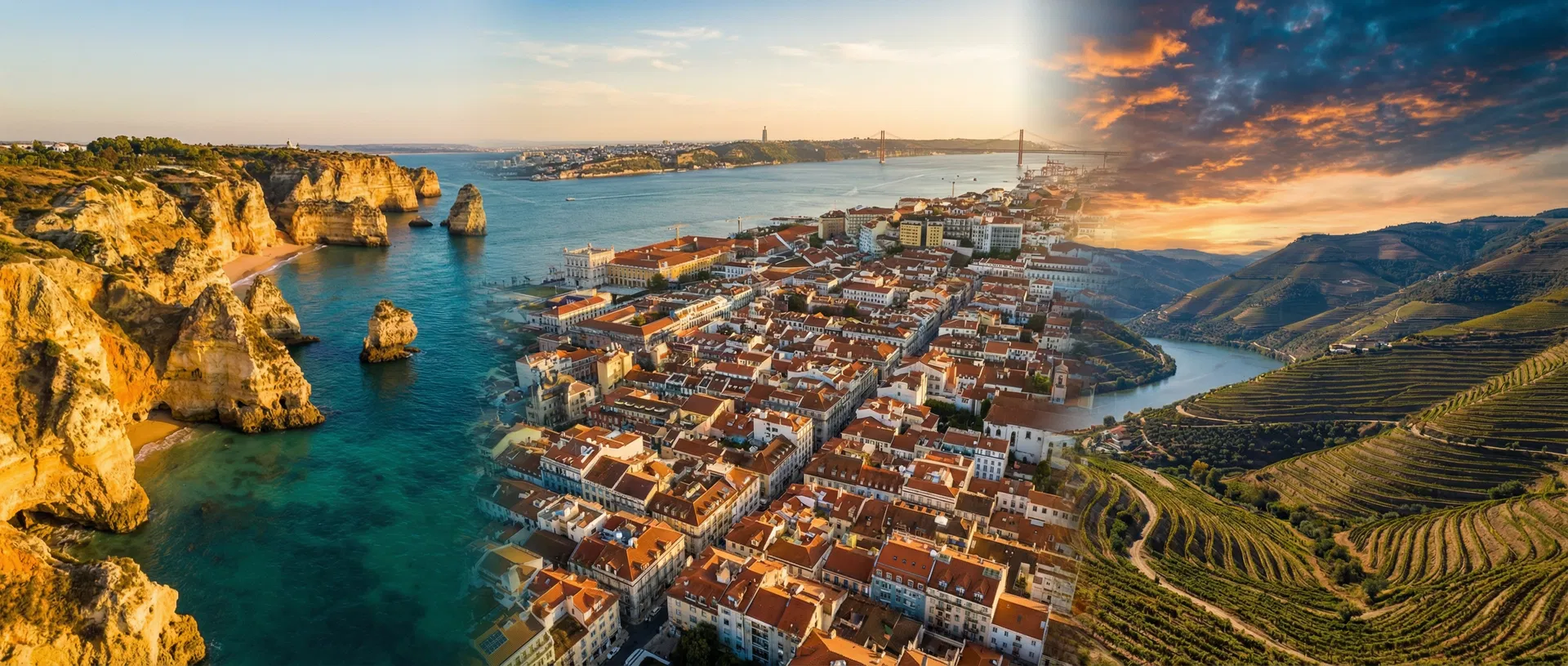
Rent a Car in Portugal: The Complete Guide (2025)
Everything you need to know about renting a car in Portugal — from the best locations to driving tips and what to see.
Rent a Car in Portugal: The Complete Guide (2025)
Portugal, a land of captivating coastlines, historic cities, and charming villages, beckons travelers with its diverse landscapes and rich culture. While public transport is efficient in major urban centers like Lisbon and Porto, truly experiencing the country's hidden gems often requires the freedom and flexibility that only a rental car can provide. This comprehensive guide will walk you through everything you need to know about renting a car in Portugal in 2025, ensuring a smooth and memorable journey.
Why Rent a Car in Portugal?
Renting a car in Portugal offers unparalleled advantages, especially if you plan to venture beyond the main cities. Here's why it's often the best choice for exploring this beautiful country:
Freedom and Flexibility
With your own vehicle, you're not bound by bus or train schedules. You can spontaneously decide to stop at a scenic viewpoint, explore a quaint village off the beaten path, or linger longer in a place that captures your heart. This flexibility is crucial for discovering Portugal's diverse regions at your own pace.
Access to Remote Areas
Many of Portugal's most enchanting destinations, such as the Douro Valley's vineyards, the remote beaches of the Alentejo coast, or the historical villages nestled in the mountains, are not easily accessible by public transportation. A rental car opens up these possibilities, allowing you to immerse yourself in authentic Portuguese experiences.
Cost-Effectiveness for Groups
For families or groups traveling together, renting a car can often be more economical than purchasing multiple train or bus tickets, especially when considering the convenience of door-to-door travel and luggage transport.
Best Regions to Explore by Car
Portugal is a country of varied landscapes, each offering a unique driving experience. Here are some of the best regions to explore with a rental car:
The Algarve
Famous for its stunning golden beaches, dramatic cliffs, and picturesque fishing villages, the Algarve is a prime destination for a road trip. Drive along the N125 or explore the coastal roads to discover hidden coves and vibrant towns like Lagos, Faro, and Tavira.
Alentejo
This vast, sun-drenched region is characterized by rolling plains, cork oak forests, and historic walled towns such as Évora (a UNESCO World Heritage site) and Monsaraz. A car is essential here to navigate the expansive landscapes and visit local wineries and olive groves.
Central Portugal and Serra da Estrela
Explore the historical treasures of Central Portugal, including the university city of Coimbra and the templar castle of Tomar. For nature lovers, a drive through the Serra da Estrela Natural Park, Portugal's highest mountain range, offers breathtaking views and charming mountain villages.
Douro Valley
Known for its terraced vineyards and the winding Douro River, this region is a UNESCO World Heritage site and a must-visit for wine enthusiasts. The scenic N222 road, often hailed as one of the world's best driving roads, offers spectacular vistas.
What Documents You Need to Rent a Car in Portugal
Renting a car in Portugal is generally straightforward, but you'll need to have the correct documentation. Ensure you have the following:
- Valid Driving License: A valid driving license from your home country is usually sufficient if you are from the EU, UK, US, Canada, or Australia. However, it's always advisable to carry an International Driving Permit (IDP) alongside your national license, especially if your license is not in English or Portuguese. While not always strictly required, an IDP can prevent potential issues with rental agencies or local authorities.
- Passport or ID Card: A valid passport or national identification card is required for identification purposes.
- Credit Card: A major credit card in the main driver's name is essential for the security deposit. Debit cards are generally not accepted for this purpose.
- Minimum Age: Most rental companies require drivers to be at least 21 years old, and some may charge a young driver surcharge for those under 25.
Tips for Driving in Portugal
Driving in a foreign country can be daunting, but with these tips, you'll navigate Portugal's roads with confidence:
Road Conditions and Tolls
Portugal has an excellent network of highways (autoestradas) that are generally well-maintained. Be aware that most highways are toll roads. There are two main types of tolls: traditional barrier tolls where you pay with cash or card, and electronic tolls (SCUTs) that are collected automatically. For electronic tolls, it's highly recommended to opt for a transponder (Via Verde device) from your rental company to avoid fines.
Speed Limits
Speed limits are generally 50 km/h in urban areas, 90 km/h on rural roads, and 120 km/h on highways. Always pay attention to road signs, as limits can vary.
Roundabouts
Portugal has many roundabouts. The rule is to give way to traffic already in the roundabout. If you're taking the first exit, stay in the right lane. For other exits, use the left lane until you approach your exit, then signal right and move to the outer lane.
Parking
Parking can be challenging in city centers. Look for underground parking garages or designated parking areas. In smaller towns, street parking might be available, but always check for signs indicating restrictions or payment requirements.
Fuel
Gas stations are plentiful, and most accept credit cards. The most common fuel types are gasoline (gasolina) and diesel (gasóleo).
How to Find the Best Car Rental Deals
Securing a good deal on your car rental can significantly impact your travel budget. Here's how to find the best options:
Book in Advance
Especially during peak season (summer months and holidays), booking your rental car several months in advance can lead to better prices and a wider selection of vehicles.
Compare Prices
Use reputable comparison websites to check prices across various rental companies. Don't just look at the daily rate; consider the total cost, including insurance, fees, and any extras you might need.
Understand Insurance Options
Basic insurance (Third-Party Liability) is usually included, but consider additional coverage like Collision Damage Waiver (CDW) or Super CDW for peace of mind. Check if your credit card or travel insurance offers car rental coverage, which could save you money.
Read the Fine Print
Before finalizing your booking, carefully read the rental agreement. Pay attention to fuel policies (full-to-full is usually best), mileage limits, and any additional driver fees.
Pick-up and Drop-off Locations
Renting from airport locations can sometimes be more expensive due to airport surcharges. Compare prices for picking up and dropping off in different locations, such as city centers, if it fits your itinerary.
Ready to explore Portugal by car?
Book your car rental in Portugal today!
Frequently Asked Questions (FAQ)
Q: Do I need an International Driving Permit (IDP) to rent a car in Portugal?
A: While a valid national driving license from many countries (including the US, UK, Canada, and EU) is often accepted, it is highly recommended to carry an International Driving Permit (IDP) alongside your national license. This can help avoid potential issues with rental agencies or local authorities, especially if your license is not in English or Portuguese.
Q: Are tolls common in Portugal, and how do they work?
A: Yes, tolls are common on Portugal's highways (autoestradas). There are traditional barrier tolls where you pay manually and electronic tolls (SCUTs). For electronic tolls, it's advisable to get a Via Verde transponder from your rental company to ensure automatic payment and avoid fines.
Q: What is the minimum age to rent a car in Portugal?
A: Most car rental companies in Portugal require drivers to be at least 21 years old. Drivers under 25 may also be subject to a young driver surcharge.
Q: Can I use a debit card for the security deposit?
A: Generally, a major credit card in the main driver's name is required for the security deposit. Debit cards are usually not accepted for this purpose. Ensure you have a credit card with sufficient funds available for the deposit.