Rent a Car in Porto: The Complete Guide (2025)
Everything you need to know about renting a car in Porto — from the airport to the Douro Valley and the best deals.
Rent a Car in Porto: The Complete Guide (2025)
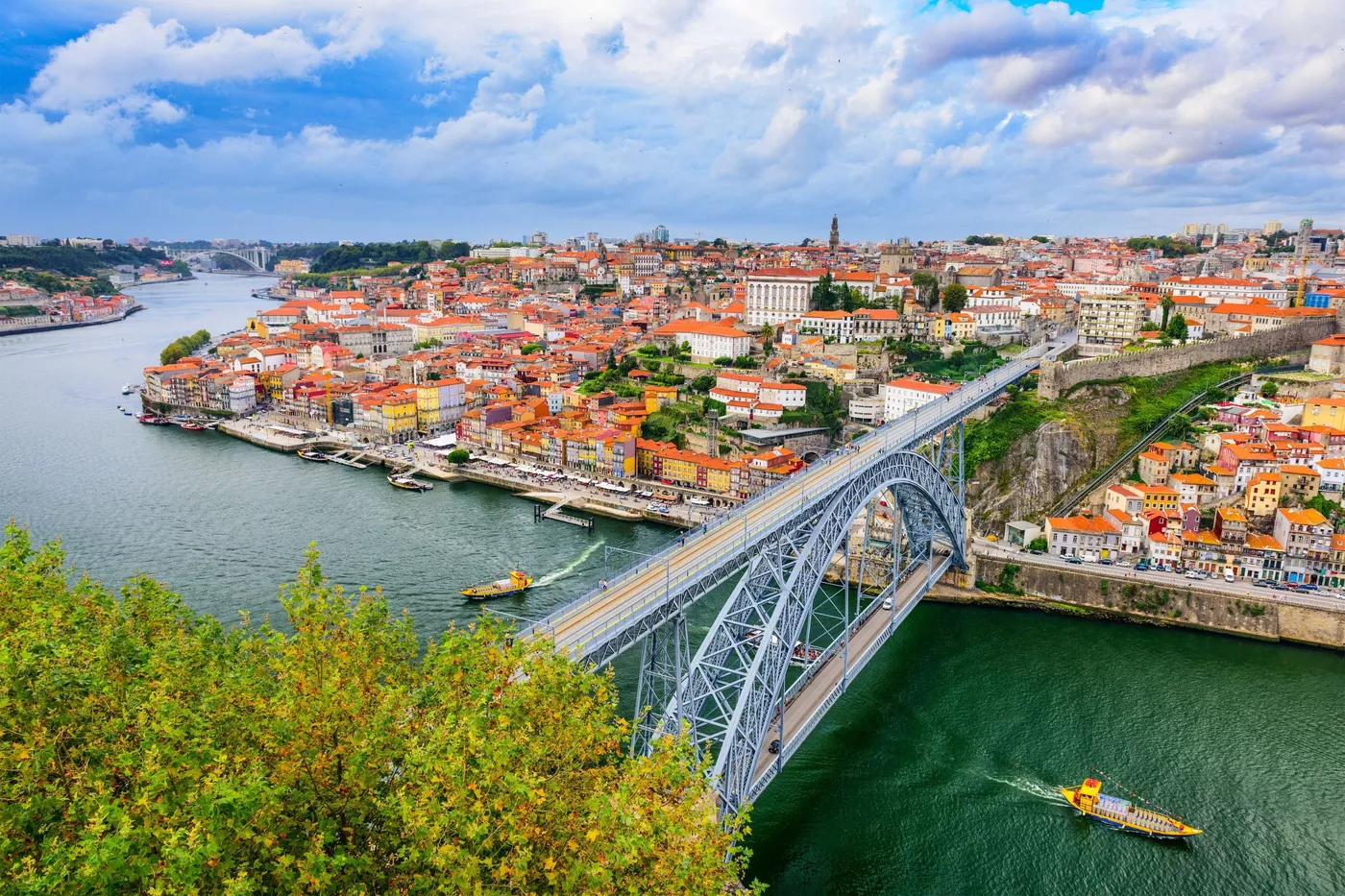
Porto is one of Europe's most rewarding cities to explore by car. The city itself rewards slow driving — the Ribeira waterfront, the hilltop Foz neighbourhood, the wine lodges of Vila Nova de Gaia — but the real reason to rent a car in Porto is what lies beyond the city limits. The Douro Valley, 90 minutes east, is one of the most beautiful wine regions in the world. Braga, 45 minutes north, has some of the finest Baroque architecture in Portugal. The Minho coast, an hour north, has beaches that most international tourists never reach. This guide covers everything you need to know to rent a car in Porto and make the most of the region.
Where to Pick Up a Rental Car in Porto
Porto Francisco Sá Carneiro Airport
Porto Airport (OPO) is the most convenient pickup point for most travellers. The rental car desks are located in the arrivals hall of Terminal 1, and all major companies — Hertz, Europcar, Sixt, Avis, Budget, Enterprise, and local operators — are represented. The car park is a short walk from the terminal, and the exit road connects directly to the A4 motorway (east to the Douro Valley) and the A3 (north to Braga and the Minho). For the best rates, compare prices through GooRentalCars before you travel — airport pickup rates vary significantly between companies and booking lead times.
Porto City Centre
If you are arriving by train or spending a few days in Porto before picking up a car, several rental companies have offices in the city centre. The main cluster is near the Trindade metro station and along the Avenida dos Aliados. City pickup is convenient if you want to spend your first days exploring Porto on foot and public transport before collecting a car for the regional day trips.
Driving in Porto: What to Expect
Porto is a hilly city with narrow, cobbled streets in the historic centre (Ribeira, Bonfim, Cedofeita), and driving here requires patience and a good GPS. The main challenges are:
Narrow streets and one-way systems. The historic centre has many streets that are too narrow for two cars to pass simultaneously. In the Ribeira area, some streets are pedestrianised during the day. Use the GPS and be prepared to reverse occasionally.
Hills and trams. Porto's trams have priority and run on tracks embedded in the road surface. Give way to trams and be careful not to park on or near the tracks.
Parking. Street parking in the centre is limited and often restricted. The most reliable option is to use one of the underground car parks — Parque da Ribeira, Parque Alfândega, or Parque Silo Auto are all central and reasonably priced. Daily rates range from €8 to €15.
Tolls. The Ponte do Freixo and Ponte da Arrábida bridges over the Douro have electronic tolls. If your rental car does not have a Via Verde transponder, you will need to pay at a CTT post office within five days.
Day Trips from Porto by Car
The Douro Valley (90 minutes each way)
The Douro Valley is the undisputed highlight of any Porto road trip. Take the A4 east to Amarante, then drop south to Peso da Régua on the N101. From Régua, the N222 follows the river to Pinhão — a 25-km stretch that is consistently rated among the most scenic roads in Europe. The road hugs the riverbank, passing quintas (wine estates) with their distinctive blue-and-white azulejo tile panels. In Pinhão, book a cellar tour and tasting at one of the quintas — Quinta do Crasto, Quinta do Vale Meão, or Quinta Nova are all excellent. Return to Porto via the A4 for a total round trip of about 250 km.
Braga and Guimarães (45–60 minutes each way)
Braga is Portugal's religious capital and has some of the finest Baroque architecture in the country. The Bom Jesus do Monte sanctuary, with its 577-step staircase, is the most photographed sight in northern Portugal. From Braga, it is 25 km to Guimarães — the birthplace of Portugal — where the medieval castle and palace of the Dukes of Bragança are UNESCO World Heritage Sites. Both cities can be combined in a single day trip from Porto.
Viana do Castelo and the Minho Coast (75 minutes each way)
Viana do Castelo is one of the most beautiful small cities in Portugal, with a hilltop basilica, a stunning Art Nouveau market, and a long beach at the mouth of the Lima river. Drive north on the A3 and then the A27 for the fastest route, or take the coastal road through Póvoa de Varzim and Esposende for a more scenic alternative. The Minho coast north of Viana has some of the least-crowded beaches in Portugal, and the fortified border town of Valença is worth a stop for its views across the Minho river into Spain.
Peneda-Gerês National Park (90 minutes each way)
Portugal's only national park is 90 minutes northeast of Porto on the A3 and N103. The park has waterfalls, granite peaks, ancient villages, and wild Garrano horses that roam freely across the hillsides. The drive through the park on the N304 from Braga to Montalegre is one of the most dramatic in northern Portugal. Take the N101 back to Porto via Chaves for a circular route of about 300 km.
Practical Information for Renting a Car in Porto
Age requirements. Most rental companies require drivers to be at least 21 years old. Drivers aged 21–24 typically pay a young driver surcharge of €5–€15 per day. Some premium car categories require drivers to be at least 25.
Fuel. Petrol stations are plentiful in Porto and throughout the region. Most rental cars use petrol (gasolina) or diesel (gasóleo). Check the fuel type before you drive away — diesel and petrol nozzles are different sizes, but it is still possible to misfuel.
Insurance. Basic third-party insurance is included in all rentals. Collision Damage Waiver (CDW) reduces your excess in the event of an accident. Super CDW eliminates the excess entirely. Check whether your credit card provides rental car insurance before paying for additional cover.
Navigation. Google Maps works well in Portugal and is updated regularly. Download offline maps for the Douro Valley and Minho regions before you travel, as mobile signal can be patchy in the mountains.
Related Articles
- Car Hire at Porto Airport: Everything You Need to Know
- Best Things to Do in Porto by Car
- Rent a Car in Portugal: The Complete Guide
Frequently Asked Questions (FAQ)
Q: Is it worth renting a car in Porto?
A: Absolutely. Porto itself is walkable, but the surrounding region — the Douro Valley, Braga, Guimarães, the Minho coast, Peneda-Gerês — is only properly accessible by car. Even a one-day rental for a Douro Valley trip transforms the experience from a coach tour to a personal adventure.
Q: How difficult is it to drive in Porto city centre?
A: The historic centre has narrow, cobbled streets and a complex one-way system that can be confusing. A GPS is essential. If you are staying in the centre, consider parking at an underground car park for the duration of your stay and using the metro and trams for city exploration — this avoids the stress of city driving entirely.
Q: How much does it cost to rent a car in Porto?
A: A compact car (VW Polo or similar) costs approximately €25–€45 per day in low season and €40–€80 per day in July and August. Prices vary significantly between companies and booking lead times — compare options through GooRentalCars to find the best rate for your dates.
Q: Can I return the car to a different location?
A: Yes, most rental companies allow one-way rentals between Porto and Lisbon, Faro, or other major cities, usually for a one-way fee of €50–€150. This is useful if you want to fly into Porto and out of Lisbon (or vice versa) and do a north-to-south road trip.
Q: What documents do I need to rent a car in Porto?
A: You need a valid driving licence (held for at least one year), a passport or national ID card, and a credit card in the driver's name for the deposit. EU licence holders do not need an International Driving Permit. Non-EU visitors should check whether their country's licence is accepted — most are, but some countries require an IDP.
Q: Is parking free anywhere in Porto?
A: Free street parking exists in the outer residential neighbourhoods, but it is scarce in the centre. The most reliable free parking is along the Avenida da Boavista (western Porto) and in the Bonfim neighbourhood. For day trips, most towns in the Douro Valley and Minho have free or very cheap parking in the town centre.