Car Hire at Madeira Airport (FNC): Everything You Need to Know
How to pick up a rental car at Cristiano Ronaldo International Airport in Funchal.
Car Hire at Madeira Airport: Your Complete Guide
Welcome to Madeira, the 'Pearl of the Atlantic'! This stunning Portuguese archipelago, renowned for its dramatic landscapes, lush forests, and vibrant capital, Funchal, beckons adventurers and relaxation-seekers alike. While public transport options exist, the true magic of Madeira unfolds when you have the freedom to explore at your own pace. Renting a car at Madeira Airport (FNC), also known as Cristiano Ronaldo International Airport, is not just a convenience; it's an essential part of unlocking the island's hidden gems. From the moment you land, having your own vehicle transforms your travel experience, allowing you to navigate winding coastal roads, ascend breathtaking mountain passes, and discover secluded levada walks that are otherwise inaccessible. This comprehensive guide will walk you through everything you need to know about securing your car hire, understanding Madeira's unique driving conditions, and making the most of your self-driven adventure on this enchanting island.
Collecting Your Rental Car at Madeira Airport (FNC)
Madeira Airport (FNC), officially named Cristiano Ronaldo International Airport, is your gateway to the island. Upon arrival, collecting your rental car is a straightforward process, though it helps to be prepared. Most major international and local car rental companies operate directly from the airport. You'll typically find their desks either within the arrivals hall or a short shuttle bus ride away. It's highly recommended to book your car in advance, especially during peak season, to ensure availability and secure better rates. When collecting your vehicle, have your booking confirmation, driving license (and an International Driving Permit if required by your nationality), passport, and a credit card in the main driver's name ready. Inspect the car thoroughly for any existing damage before driving off and ensure it's noted on your rental agreement. Don't hesitate to ask the rental agent about specific features of the car, such as how to operate the lights, wipers, or navigation system, as well as the fuel policy. Understanding these details upfront can save you time and hassle later on. For a seamless experience, consider booking through a reputable platform like GooRentalCars, which offers a wide selection of vehicles and competitive prices, making your car hire at Madeira Airport a breeze.
The Viaduct Road from the Airport to Funchal
One of your first driving experiences in Madeira will likely be the journey from the airport to Funchal. The primary route is via the VR1 (Via Rápida 1), a modern highway that includes impressive viaducts and tunnels, showcasing Madeira's remarkable engineering feats. This road offers stunning panoramic views of the coastline and the Atlantic Ocean. The drive to Funchal is approximately 20-30 minutes, depending on traffic and your exact destination within the city. While the VR1 is generally well-maintained and easy to navigate, it's important to be aware of the speed limits and to stay alert, especially when entering and exiting tunnels. The transition from bright sunlight to the relative darkness of a tunnel can be abrupt, so adjust your driving accordingly. The viaducts, while offering spectacular vistas, also expose you to potential crosswinds, so maintain a firm grip on the steering wheel. This initial drive sets the tone for Madeira's unique road network, a blend of efficient highways and challenging, scenic routes. For more tips on driving in Portugal, you might find our guide on Rent a Car in Portugal: The Complete Guide helpful.
Driving on Madeira's Mountain Roads
Madeira's interior is dominated by majestic mountains, and exploring them by car is an unforgettable experience. However, driving on these mountain roads requires caution and confidence. You'll encounter steep inclines and descents, sharp hairpin bends, and narrow sections. It's crucial to use lower gears when ascending and descending to maintain control and prevent excessive brake wear. Always be prepared for sudden changes in weather conditions; fog can roll in quickly, reducing visibility significantly. Drive slowly, especially around blind corners, and be mindful of local drivers who may be more accustomed to the challenging terrain. The rewards for navigating these roads are unparalleled: access to breathtaking viewpoints (miradouros), charming mountain villages, and the starting points for many of the island's famous levada walks. A smaller, more agile car is often preferable for these roads, making parking and maneuvering much easier. Consider a vehicle from GooRentalCars that suits the island's diverse topography.
The ER101 Coastal Circuit: A Scenic Drive
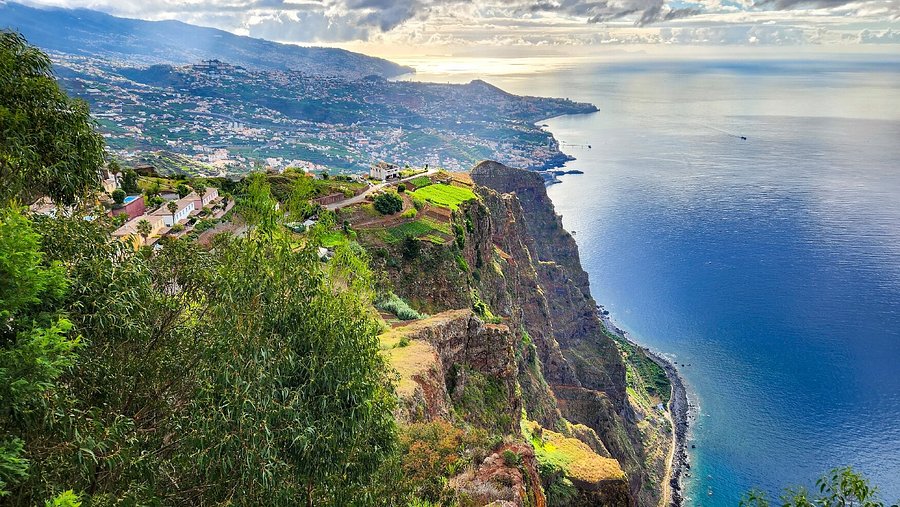
The ER101, Madeira's old coastal road, offers one of the most picturesque drives on the island. While much of it has been superseded by the faster VR1, significant sections of the ER101 remain accessible and provide a more intimate experience of Madeira's dramatic coastline. This circuit takes you through charming seaside towns, past banana plantations, and along cliffs with stunning ocean views. It's a slower, more winding route, perfect for those who want to savor the scenery and stop frequently for photos or to explore local attractions. Be aware that some parts of the ER101 can be narrow, and you might encounter sections where the road is cut directly into the cliff face. Always drive carefully, especially when passing through villages or around blind corners. This route is a fantastic way to discover the authentic charm of Madeira, far from the bustling tourist hubs. For inspiration on other scenic drives, check out our article on Best Road Trips in Portugal.
Levada Walks Accessible by Car
Madeira is famous for its levadas, a unique network of irrigation channels that crisscross the island, offering incredible walking trails. Many of these levada walks are easily accessible by car, allowing you to drive to the starting points and embark on unforgettable hikes. Popular levadas like Caldeirão Verde, Rabaçal (25 Fontes and Risco Waterfall), and Levada do Rei all have nearby parking areas. However, be prepared for potentially challenging access roads to some of these starting points; they can be steep, narrow, and unpaved. Always check the weather forecast before heading out, as conditions in the mountains can change rapidly, affecting both driving and hiking safety. A rental car provides the flexibility to choose your levada adventure each day, from gentle strolls through lush forests to more challenging treks along dramatic cliffs. Remember to wear appropriate footwear and carry water and snacks. Exploring these natural wonders is a highlight of any trip to Madeira, and your rental car is key to experiencing them fully.
Practical Tips: Tunnels and Narrow Roads
Driving in Madeira presents a few unique challenges, primarily its extensive network of tunnels and often narrow roads. The island's mountainous terrain necessitates numerous tunnels, which are generally well-lit and maintained. However, it's important to be mindful of speed limits within tunnels and to be prepared for sudden changes in light. Always switch on your headlights before entering a tunnel, even if it appears bright. Many of Madeira's older roads, particularly in rural areas and smaller villages, are quite narrow. This can be particularly challenging when encountering oncoming traffic or when trying to park. Practice defensive driving, be patient, and be prepared to yield or reverse if necessary. Honking your horn before blind corners on narrow roads is a common local practice to alert oncoming drivers. While these conditions might seem daunting at first, they quickly become part of the adventure. With a bit of caution and respect for local driving customs, you'll find navigating Madeira's roads a rewarding experience. For more insights into car rental in different regions, you might want to read about Rent a Car in Porto: The Complete Guide.
Related Articles
- Rent a Car in Portugal: The Complete Guide
- Best Road Trips in Portugal
- Rent a Car in Porto: The Complete Guide
Frequently Asked Questions (FAQ)
Q: Is it difficult to drive in Madeira?
A: Driving in Madeira can be challenging due to its mountainous terrain, steep roads, numerous tunnels, and narrow coastal routes. However, with caution and preparation, it is manageable and highly rewarding. The main highways (VR1) are modern and well-maintained, connecting major towns efficiently. The difficulty arises on the older, winding roads that lead to viewpoints, levada walks, and smaller villages. These often feature sharp hairpin bends, steep gradients, and can be quite narrow, sometimes requiring drivers to yield or reverse. Fog can also descend quickly in higher altitudes, reducing visibility. It's advisable to rent a car with a good engine and consider an automatic transmission if you're not comfortable with manual gears on inclines. Defensive driving, adhering to speed limits, and being aware of local driving habits (like honking before blind corners) will significantly enhance your safety and enjoyment. Many tourists successfully navigate the island, and the freedom a car provides to explore off-the-beaten-path locations makes the effort worthwhile.
Q: What type of car is best for Madeira?
A: For Madeira's diverse terrain, a compact or medium-sized car with a good engine is generally recommended. Smaller cars are easier to maneuver on narrow roads and through tight village streets, and they are also simpler to park in crowded areas. A car with a decent engine size (e.g., 1.2L or 1.4L and above) will handle the steep inclines much better, preventing strain on the vehicle and providing a more comfortable driving experience. While 4x4 vehicles might seem appealing for mountain roads, they are often unnecessary and can be cumbersome on the island's narrower routes. An automatic transmission can also be a significant advantage, especially for those less accustomed to driving manual cars on steep hills. Ultimately, choose a car that you feel comfortable driving and that fits your budget, but prioritize maneuverability and engine power over sheer size.
Q: Are there tolls in Madeira?
A: No, there are currently no toll roads in Madeira. The entire road network, including the modern VR1 highway with its numerous tunnels and viaducts, is free to use. This is excellent news for visitors, as it means you can explore the island extensively by car without incurring additional costs for tolls. This makes budgeting for your trip simpler and allows for spontaneous detours without worrying about unexpected expenses. While there are no tolls, remember to factor in fuel costs, which can be higher than on mainland Europe, and potential parking fees, especially in Funchal and other popular tourist spots. The absence of tolls is a significant advantage for car hire in Madeira, encouraging visitors to fully embrace self-guided exploration.
Q: What are the speed limits in Madeira?
A: Speed limits in Madeira are generally consistent with those in mainland Portugal and the rest of the EU, but it's crucial to pay attention to local signage as conditions can vary. Typically, the speed limits are as follows: 50 km/h (31 mph) in urban areas, 90 km/h (56 mph) on rural roads, and 100 km/h (62 mph) on the main highways (Via Rápida - VR1). However, within tunnels, speed limits can often be reduced to 80 km/h or even 70 km/h, so always look for specific signs. On very narrow or winding mountain roads, the effective safe speed will be much lower than the posted limit. Always adjust your speed to the road conditions, visibility, and traffic. Speed cameras are present, and fines can be issued, so adhering to the limits is important for safety and to avoid penalties. Being mindful of these limits will ensure a safer and more enjoyable driving experience on the island.
Q: Is parking difficult in Funchal?
A: Parking in Funchal, especially in the city center, can be challenging, particularly during peak tourist season and busy hours. On-street parking is often limited and may require payment at parking meters for short durations. It's generally easier and safer to use one of the many underground car parks available throughout the city. These car parks, such as those near La Vie Shopping Center, Marina Shopping, or Praça do Carmo, offer secure parking for an hourly or daily fee. While convenient, these can add to your daily expenses. If your accommodation in Funchal offers parking, it's highly advisable to utilize it. When exploring smaller towns and villages outside Funchal, parking is usually less problematic, with free or inexpensive options often available. Planning your parking in advance, especially for Funchal, can save you time and reduce stress during your visit.
Q: Do I need an International Driving Permit (IDP) for Madeira?
A: Whether you need an International Driving Permit (IDP) for Madeira depends on the country where your driving license was issued. If you hold a driving license from an EU/EEA country, you typically do not need an IDP; your national license is sufficient. However, if your driving license was issued by a country outside the EU/EEA, it is generally recommended, and sometimes legally required, to carry an IDP in addition to your national driving license. The IDP serves as a translation of your original license and is valid for one year. It's always best to check the specific requirements for your nationality with your car rental company or the Portuguese embassy/consulate in your home country before your trip. Even if not strictly required, an IDP can be useful for identification purposes and can help avoid any potential misunderstandings with local authorities or rental agencies. Always carry both your national license and your IDP if you have one.