Rent a Car in the Azores: The Complete Guide (2025)
Everything you need to know about renting a car in the Azores — São Miguel, volcanic craters and the best deals.
Rent a Car in the Azores: Complete Guide (2025)
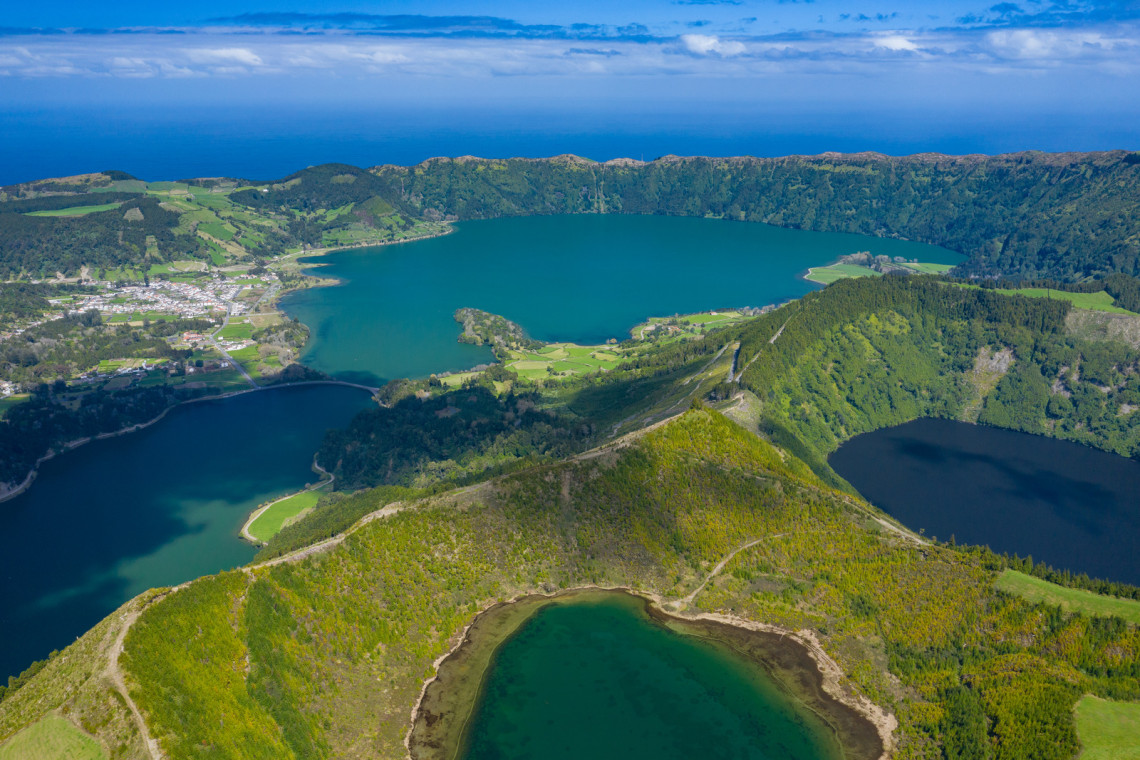
The Azores is one of Europe's most spectacular archipelagos, but it is also one where having a rental car makes an enormous difference to your experience. The nine islands are spread across 600 km of the mid-Atlantic, each with its own volcanic landscape, crater lakes, and coastal scenery. On the main island of São Miguel, the most iconic sights — Sete Cidades, Furnas, Lagoa do Fogo — are scattered across the island's interior, far from the main town of Ponta Delgada. Without a car, you are dependent on organised tours that follow fixed itineraries and fixed timetables. With a rental car, you set your own pace, stop where you choose, and arrive at viewpoints before the crowds.
This guide covers everything you need to know about renting a car in the Azores in 2025: where to pick up, how to find the best prices, what to expect on the roads, and practical tips for island hopping.
Where to Pick Up Your Rental Car
Ponta Delgada Airport (PDL)
João Paulo II Airport (PDL) in Ponta Delgada is the main gateway to the Azores and the most convenient place to pick up a rental car. All major international companies — Hertz, Europcar, Sixt, Avis — have desks in the terminal or operate shuttle buses to nearby depots. Local Azorean companies often offer competitive rates and are familiar with island conditions.
Book in advance, particularly for summer travel (June to September), when demand is high and the best vehicles sell out quickly. For the most competitive prices, compare options through GooRentalCars before you travel.
Other Pickup Locations
If you are visiting other islands, rental cars are available at the airports on Terceira (TER), Faial (HOR), and Pico (PIX). Availability is more limited on the smaller islands, so advance booking is essential. Note that rental agreements typically do not allow you to take a car rented on one island to another — you will need to arrange a separate rental for each island you visit.
How to Find the Best Car Rental Prices in the Azores
Prices in the Azores vary significantly by season, booking lead time, and vehicle type. The following strategies will help you find the best deal:
Book early. Summer prices can be two to three times higher than off-season rates. Booking 6-8 weeks in advance typically secures the best prices. Compare multiple providers. Rates vary significantly between companies for the same vehicle category. Use a comparison platform to see all options side by side. Choose the right vehicle. A compact car (Group B or C) is sufficient for most visitors to São Miguel. If you plan to visit the more mountainous islands like Pico or Flores, a slightly more powerful vehicle is worth the extra cost. Check the insurance. Basic CDW (Collision Damage Waiver) is usually included, but the excess can be high. Consider purchasing full excess protection for peace of mind.
Driving in the Azores: What to Expect
Road Conditions
Roads on São Miguel are generally well-maintained, with a modern ring road connecting Ponta Delgada to the main towns. The interior mountain roads are narrower and steeper, with hairpin bends and occasional fog at altitude. On the smaller islands, roads can be very narrow in places — patience and care are required.
Rules of the Road
In the Azores, as in mainland Portugal, you drive on the right-hand side of the road. Speed limits are 50 km/h in urban areas, 90 km/h on rural roads, and 120 km/h on the few stretches of dual carriageway. Seatbelts are mandatory for all passengers. Using a handheld mobile phone while driving is illegal. Children under 12 or shorter than 135 cm must use an approved child seat.
Fuel and Parking
Fuel stations are plentiful in Ponta Delgada and the main towns, but sparse in the interior — fill up before heading into the mountains. Parking in Ponta Delgada city centre can be challenging in summer; use the designated car parks near the marina. At popular viewpoints like Sete Cidades and Lagoa do Fogo, parking fills up quickly — arrive before 9am to secure a spot.
São Miguel: The Essential Island Road Trip
São Miguel is the island most visitors spend the most time on, and for good reason. A three-day road trip covers the main highlights:
Day 1 — Drive the western caldera circuit: Sete Cidades (Vista do Rei viewpoint, crater rim drive, village), Caldeira Velha thermal pools, Ribeira Grande for lunch. Day 2 — The geothermal east: Furnas valley (Terra Nostra Park, mud pools, Cozido das Furnas lunch), Lagoa das Furnas, Nordeste cliffs and viewpoints. Day 3 — Central mountains and east: Lagoa do Fogo (viewpoint and hike to the lake), Ribeiro Frio trout farm and viewpoints, Ponta da Madrugada.
Island Hopping: Renting a Car on Multiple Islands
The Azores rewards those who visit more than one island. The Triangle Islands — Faial, Pico, and São Jorge — are connected by ferry in summer and can be combined in a week. Terceira, with its UNESCO-listed capital Angra do Heroísmo, is worth a two-day detour. Flores, the westernmost island in the EU, is extraordinary but requires a flight.
For each island, arrange a separate rental car in advance. Local companies on the smaller islands often have limited fleets, so early booking is essential.
Ready to rent a car in the Azores? Compare prices from all major providers at Ponta Delgada Airport and find the best deal for your trip. Compare Prices on GooRentalCars →
Related Articles
- Best Things to Do in the Azores by Car
- Car Hire at Azores Airport: Everything You Need to Know
- Driving in the Azores: Tips and Road Rules
- Best Places to Visit in the Azores
Frequently Asked Questions
Is it easy to rent a car in the Azores?
Yes, renting a car in the Azores is straightforward. All major international companies are represented at Ponta Delgada Airport, and local companies offer competitive rates. Book in advance for summer travel to ensure availability.
Do I need an international driving permit for the Azores?
EU/EEA driving licences do not require an International Driving Permit (IDP). For licences issued outside the EU, an IDP is recommended, particularly if your licence is not in the Latin alphabet.
Can I take a rental car between islands on the ferry?
Generally no. Most rental agreements do not permit taking the car on inter-island ferries. You will need to arrange a separate rental on each island you visit.
What is the best car to rent in the Azores?
A compact car with automatic transmission is ideal for São Miguel. For the more mountainous islands like Pico or Flores, a slightly more powerful vehicle is worth the extra cost. Avoid large SUVs, which can struggle on narrow village roads.
How much does it cost to rent a car in the Azores?
Prices vary by season and vehicle type. In low season (October to May), compact cars start from around €25-30 per day. In peak summer, prices can rise to €50-80 per day. Booking early through a comparison platform typically secures the best rates.
Is it safe to drive in the Azores?
Yes, driving in the Azores is safe for most visitors. The main roads are well-maintained and clearly signposted. The mountain roads require more care, with steep gradients and occasional fog. Drive at a pace you are comfortable with and allow extra time for mountain routes.