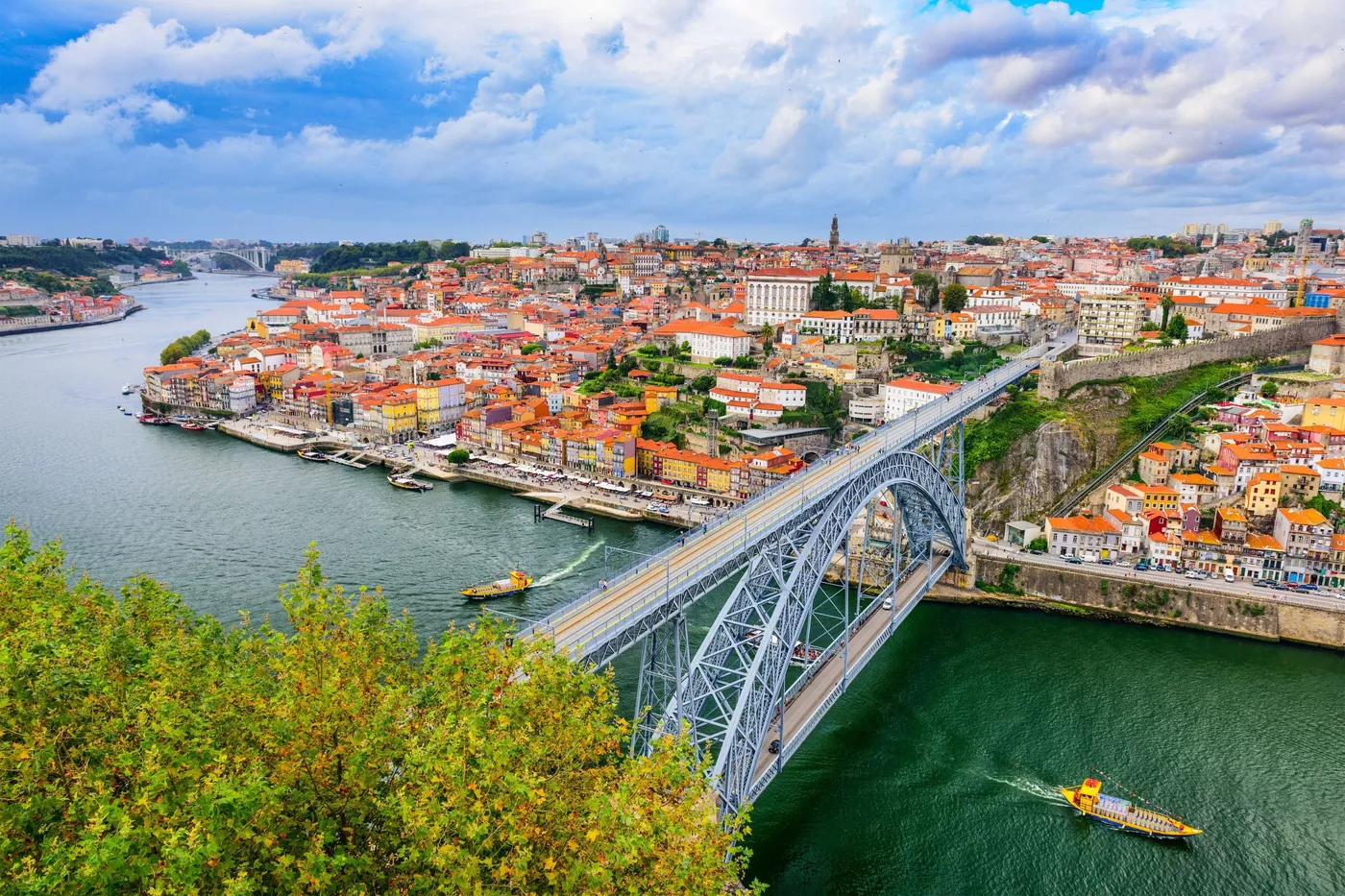
Driving in Porto: Tips, Parking & Toll Roads
Practical tips for driving in Porto — where to park, how to pay tolls and how to navigate the city.
Driving in Porto: Tips, Parking & Toll Roads
Porto, a city renowned for its historic charm, vibrant culture, and delicious Port wine, is a captivating destination for travelers. While its narrow, winding streets and hilly terrain can seem daunting, driving in Porto offers an unparalleled sense of freedom, allowing you to explore not just the city but also the stunning surrounding regions at your own pace. This comprehensive guide will equip you with essential tips for navigating Porto's roads, understanding parking regulations, and managing electronic tolls, ensuring a smooth and enjoyable driving experience.
Navigating Porto City Traffic
Porto's city center, particularly areas like the historic Ribeira district, can be challenging for drivers due to its ancient layout, pedestrian zones, and limited access. During peak hours, traffic can be dense, and one-way streets are common. It's advisable to use a reliable GPS system, as street signs can be small and easily missed. Familiarize yourself with the general layout of the city before you set off.
Key Tips for City Driving:
- Stay Alert: Pedestrians often cross unexpectedly, and scooters or motorcycles can appear suddenly.
- Narrow Streets: Many streets are very narrow, so drive cautiously and be prepared to yield.
- Hills: Porto is built on hills, meaning steep inclines and declines are frequent. Be comfortable with hill starts.
- Public Transport: Trams and buses share the road, so be mindful of their routes and stops.
Parking in Porto: Especially in Ribeira
Finding parking in Porto, especially in popular areas like Ribeira, can be tricky but not impossible. The city offers a mix of street parking (metered) and underground car parks. For tourists, underground car parks are often the most convenient and secure option.
Parking Options:
- Street Parking: Look for blue lines on the road, indicating paid parking. You'll need to use a parking meter (parquímetro) to purchase a ticket and display it on your dashboard. Enforcement is strict, so always pay attention to time limits.
- Underground Car Parks: These are plentiful and generally well-located. Some popular options include:
- Parque de Estacionamento da Ribeira: Convenient for exploring the Ribeira district, though it can fill up quickly.
- Parque de Estacionamento Alfândega: A larger option near the Douro River, a short walk from Ribeira.
- Parque de Estacionamento Silo Auto: Located closer to the city center, offering good access to shopping and attractions.
Pro Tip: Consider parking slightly outside the immediate city center and using public transport (metro or bus) to reach your final destination. This can save you time and money, and reduce stress.
Understanding Electronic Tolls on A1, A3, and A4
Portugal's highway network is excellent, but it primarily operates on an electronic toll system. This is particularly relevant when driving on major routes like the A1 (Lisbon-Porto), A3 (Porto-Valença), and A4 (Porto-Amarante/Bragança). Many toll roads no longer have traditional toll booths where you can pay with cash or card. Instead, they use an electronic system called "Via Verde" or "SCUT" (Sem Custos para o Utilizador – "No Costs for the User," though this is a misnomer as tolls are now charged).
How Electronic Tolls Work:
When you rent a car in Portugal, the easiest way to manage tolls is to opt for a Via Verde transponder from your rental company. This small device, usually placed on your windshield, automatically registers your passage through electronic toll gates. The toll fees are then charged to your credit card or added to your rental bill.
Without a Transponder: If your rental car doesn't have a transponder, you'll need to pay tolls manually. For "exclusively electronic" tolls, you must pay at a CTT post office (Correios de Portugal) or a Payshop agent within 5 days of your passage. This can be cumbersome for tourists, making the transponder highly recommended for stress-free driving in Porto and beyond.
Best Routes to Douro Valley
One of the most rewarding experiences when driving in Porto is a day trip to the breathtaking Douro Valley, a UNESCO World Heritage site famous for its terraced vineyards and stunning river views. The journey itself is part of the adventure.
Recommended Routes:
- Scenic Route (N222): Often hailed as one of the best driving roads in the world, the N222 follows the Douro River from Peso da Régua to Pinhão. It's a winding road with incredible vistas at every turn. Allow plenty of time for stops at viewpoints (miradouros) and quintas (wine estates).
- Faster Route (A4/IP4 then N222): For a quicker start, take the A4 from Porto towards Amarante, then connect to the IP4 and eventually the N222. This allows you to reach the heart of the Douro Valley more efficiently, saving the most scenic part of the N222 for when you're closer to the vineyards.
Driving Tips for Douro Valley: - Winding Roads: Be prepared for numerous curves and narrow sections, especially on the N222.
- Patience: Take your time, enjoy the scenery, and be mindful of local traffic.
- Wine Tastings: If you plan on wine tasting, ensure you have a designated driver or consider joining an organized tour for that part of the day.
Driving to Braga and Guimarães
Exploring the historical cities of Braga and Guimarães, both easily accessible from Porto, is another excellent reason to rent a car. These cities offer a rich tapestry of Portuguese history and culture.
- Braga: Known as the "Rome of Portugal" for its numerous churches and religious sites, Braga is about a 45-minute drive north of Porto via the A3 highway. Don't miss the Bom Jesus do Monte sanctuary with its iconic Baroque staircase.
- Guimarães: The birthplace of Portugal, Guimarães boasts a beautifully preserved medieval center and a majestic castle. It's approximately a 40-minute drive from Porto, also via the A3. The historic center is a UNESCO World Heritage site.
Combined Trip: It's feasible to visit both Braga and Guimarães in a single day trip from Porto, given their proximity and excellent road connections. Start early to make the most of your day.
Conclusion
Driving in Porto and its surrounding regions opens up a world of exploration, from the terraced vineyards of the Douro Valley to the historic cities of Braga and Guimarães. While city driving requires a bit of caution and planning for parking and tolls, the freedom and flexibility a rental car provides are invaluable. With these tips, you're well on your way to an unforgettable Portuguese adventure.
Ready to explore Porto and beyond?
Book your car rental in Porto today!
Frequently Asked Questions (FAQs)
Q1: Is it difficult to drive in Porto?
A1: Driving in Porto can be challenging, especially in the historic city center, due to narrow, winding streets, hills, and dense traffic. However, with a good GPS, careful driving, and awareness of parking rules, it's manageable. Driving outside the city on highways is generally straightforward.
Q2: How do I pay for tolls in Portugal?
A2: The easiest way to pay for tolls in Portugal is by renting a car with a Via Verde transponder from your rental company. This automatically charges tolls to your account. If you don't have a transponder, you'll need to pay electronic tolls manually at a CTT post office or Payshop agent within 5 days.
Q3: Where can I park in Porto city center?
A3: Street parking in Porto city center is metered and can be limited. It's often more convenient to use underground car parks such as Parque de Estacionamento da Ribeira, Parque de Estacionamento Alfândega, or Parque de Estacionamento Silo Auto. Consider parking slightly outside the busiest areas and using public transport.
Q4: What are the best day trips from Porto by car?
A4: Excellent day trips from Porto by car include the Douro Valley (for wine and scenic views), Braga (for religious sites and history), and Guimarães (the birthplace of Portugal). All are within a 45-minute to 1.5-hour drive and offer unique cultural experiences.)