Driving in the Algarve: Beaches, Routes & Tips
Practical tips for driving in the Algarve — the best coastal routes, how to find parking and what to watch out for.
Driving in the Algarve: Beaches, Routes & Tips
The A22 Via do Infante stretches 130 km from the Spanish border to Sagres — but the Algarve's best discoveries are never on the motorway. They are on the EN125 coastal road where you can pull over at a clifftop miradouro, on the dirt tracks leading to Praia da Marinha, and on the mountain roads winding through Monchique. This practical guide to driving in the Algarve covers the routes that matter, the tolls you need to know about, the parking tricks locals use, and the seasonal conditions that catch visitors off guard.
Why a Car is Essential for Your Algarve Adventure
The Algarve is a region best explored by car. Imagine spontaneously pulling over to admire a panoramic ocean view, discovering a secluded beach, or venturing into the hills to find an authentic Portuguese restaurant. These experiences are often inaccessible without a vehicle. A rental car provides flexibility, convenience, and the opportunity to craft your own itinerary, making your trip truly unforgettable.
Navigating Algarve's Main Roads
The Algarve has a well-maintained road network, primarily consisting of two major arteries: the A22 (Via do Infante) and the EN125.
A22 Via do Infante: Your Fast Track Across the Algarve
The A22, also known as the Via do Infante, is the main highway that runs parallel to the coast, connecting Lagos in the west to the Spanish border in the east. It's the quickest way to travel long distances across the region. However, it's important to note that the A22 is a toll road. While it was once toll-free, electronic tolls were introduced several years ago.
Understanding A22 Tolls:
- Electronic Tolls: There are no traditional toll booths where you can pay with cash or card. Instead, tolls are collected electronically.
- Transponders: The easiest way for tourists to manage tolls is to rent a car with an electronic toll transponder (Via Verde device) already installed. Your rental company will usually offer this as an optional extra, and it's highly recommended for convenience.
- Post-Payment: If your rental car doesn't have a transponder, you can pay tolls at a post office (CTT) or a Payshop agent a few days after your journey. However, this can be cumbersome for tourists.
Tip: Always ask your car rental company about their toll payment solutions when picking up your vehicle. Opting for a transponder will save you time and hassle.
EN125 Coastal Road: The Scenic Route
The EN125 is the older, national road that also runs along the Algarve coast, often passing through the heart of towns and villages. It's a non-toll road and offers a more scenic, albeit slower, alternative to the A22. If you're not in a hurry and want to experience local life, the EN125 is a fantastic choice. You'll find more opportunities to stop at local markets, cafes, and shops.
Considerations for the EN125:
- Traffic: The EN125 can get very congested, especially during peak season and rush hours, as it serves as the main access road for many communities.
- Roundabouts: Be prepared for numerous roundabouts, which are common throughout Portugal. Always yield to traffic already in the roundabout.
- Speed Limits: Speed limits are generally lower than on the A22, and strictly enforced.
Driving in the Algarve: Summer Traffic & Parking
Summer Traffic: Expect Delays
The Algarve is a hugely popular summer destination, and with popularity comes traffic. From June to September, expect increased congestion, particularly around popular coastal towns like Albufeira, Vilamoura, and Lagos, and on routes leading to major beaches. Weekends and public holidays are especially busy.
Tips for Beating Summer Traffic:
- Travel Early: Head out to popular attractions or beaches early in the morning to avoid the worst of the crowds and secure parking.
- Off-Peak Hours: If possible, plan your longer drives during off-peak hours (e.g., mid-morning or late afternoon).
- GPS Navigation: Use a reliable GPS app (like Google Maps or Waze) for real-time traffic updates and alternative routes.
Beach Parking: A Challenge and a Reward
Finding parking at popular Algarve beaches, especially in summer, can be a challenge. Many beaches have designated parking areas, but these fill up quickly.
Parking Strategies:
- Arrive Early: As mentioned, early birds get the best parking spots.
- Paid Parking: Some popular beaches and towns offer paid parking lots. These are often worth the small fee for convenience and security.
- Street Parking: Be mindful of parking regulations. Yellow lines usually mean no parking, blue lines indicate paid parking (look for a nearby meter), and white lines are generally free. Always check signs carefully.
- Park and Walk: Sometimes, parking a bit further away and enjoying a short walk to the beach is the best option.
Iconic Algarve Drives & Road Trip Itinerary
Driving to Sagres: The End of the World
A drive to Sagres, located on the southwestern tip of Europe, is a must-do. This dramatic landscape, with its towering cliffs and powerful Atlantic waves, was once believed to be the end of the world. The drive itself is scenic, offering glimpses of rugged coastline and traditional villages. Visit the Sagres Fortress and the iconic Cabo de São Vicente lighthouse.
Algarve Road Trip Itinerary: A Week of Exploration
Here’s a suggested 7-day Algarve road trip itinerary to inspire your adventure:
- Day 1: Faro & Ria Formosa: Arrive at Faro Airport, pick up your rental car. Explore Faro's charming old town and take a boat trip to the Ria Formosa Natural Park.
- Day 2: Olhão & Tavira: Drive east along the EN125 to the fishing town of Olhão, known for its cubist houses and bustling market. Continue to Tavira, a picturesque town with Roman bridges and historic churches.
- Day 3: Albufeira & Central Beaches: Head west to Albufeira, a lively resort town. Explore its old town and enjoy some of the central Algarve's famous beaches like Praia da Falésia.
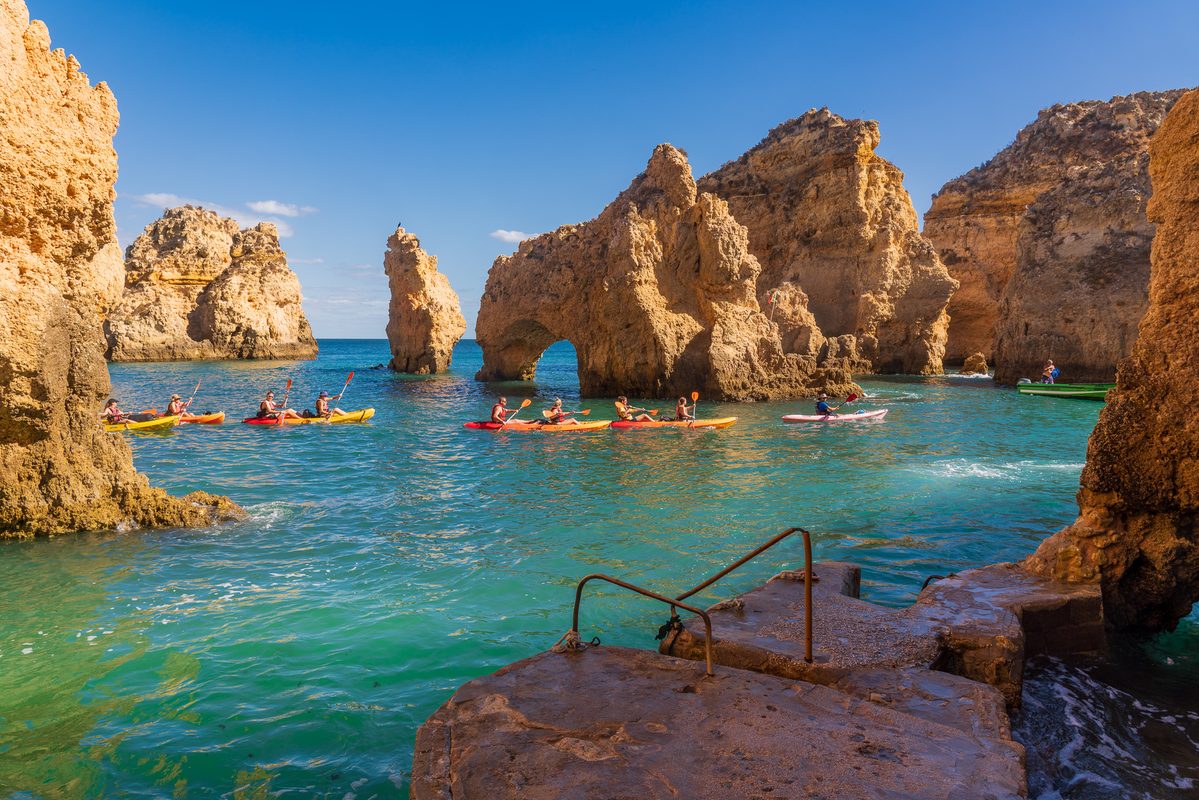
- Day 4: Lagos & Ponta da Piedade: Drive to Lagos, a historic town with stunning rock formations. Take a boat trip to Ponta da Piedade and explore the town's vibrant marina and old walls.
- Day 5: Sagres & West Coast: Journey to Sagres and Cabo de São Vicente. Spend the afternoon exploring the wild, untamed beaches of the west coast, popular with surfers.
- Day 6: Monchique Mountains: Escape the coast and drive into the serene Monchique mountains. Enjoy panoramic views from Fóia, the highest point in the Algarve, and sample local medronho.
- Day 7: Departure from Faro: Enjoy a final Portuguese breakfast before driving back to Faro Airport for your departure.
Essential Driving Tips for the Algarve
- Documentation: Always carry your driving license, passport/ID, and car rental documents.
- Speed Limits: Pay attention to speed limit signs. They are generally 50 km/h in urban areas, 90 km/h on national roads, and 120 km/h on highways (A22).
- Roundabouts: Remember to yield to traffic already in the roundabout. Indicate your exit clearly.
- Alcohol Limit: Portugal has a strict drink-driving limit (0.5 g/l). It's best to avoid alcohol entirely if you're driving.
- Seatbelts: Seatbelts are mandatory for all occupants.
- Mobile Phones: Using a mobile phone while driving is illegal unless it's hands-free.
- Fuel: Most rental cars run on petrol (gasolina) or diesel (gasóleo). Ensure you know which one your car uses. Fuel stations are plentiful.
- Emergency Numbers: In case of an emergency, dial 112.
Ready to Explore? Book Your Algarve Car Rental Today!
Driving in the Algarve is an experience you won't want to miss. With its stunning landscapes, beautiful beaches, and charming towns, having a car gives you the freedom to create your perfect Portuguese adventure. Don't wait – secure your vehicle and start planning your unforgettable road trip today!
Book your car rental in Faro now!
Frequently Asked Questions (FAQ)
Q1: Are tolls on the A22 expensive?
A1: The cost of tolls on the A22 varies depending on the distance traveled and the vehicle class. For a standard car, a full journey across the Algarve on the A22 might cost around €10-€15. It's a worthwhile investment for the time saved, especially if you're covering long distances.
Q2: Is it difficult to drive in the Algarve?
A2: Generally, driving in the Algarve is straightforward. Roads are well-maintained, and signage is clear. The main challenges can be summer traffic congestion in popular areas and navigating parking. With a good GPS and a bit of patience, you'll find it an enjoyable experience.
Q3: What side of the road do they drive on in Portugal?
A3: In Portugal, as in most of continental Europe, people drive on the right-hand side of the road. This is important to remember if you're coming from a country that drives on the left.
Q4: Can I use my foreign driving license in Portugal?
A4: Most foreign driving licenses, particularly those from EU countries, the UK, USA, Canada, and Australia, are valid in Portugal for short-term visits. It's always advisable to carry an International Driving Permit (IDP) alongside your national license, especially if your license is not in English or Portuguese, though it's not always legally required for all nationalities. Check with your rental company or embassy for specific requirements based on your country of origin.